Julie Donec
A Contemporary Portrait and Figurative Canadian Artist
Gesso recipe
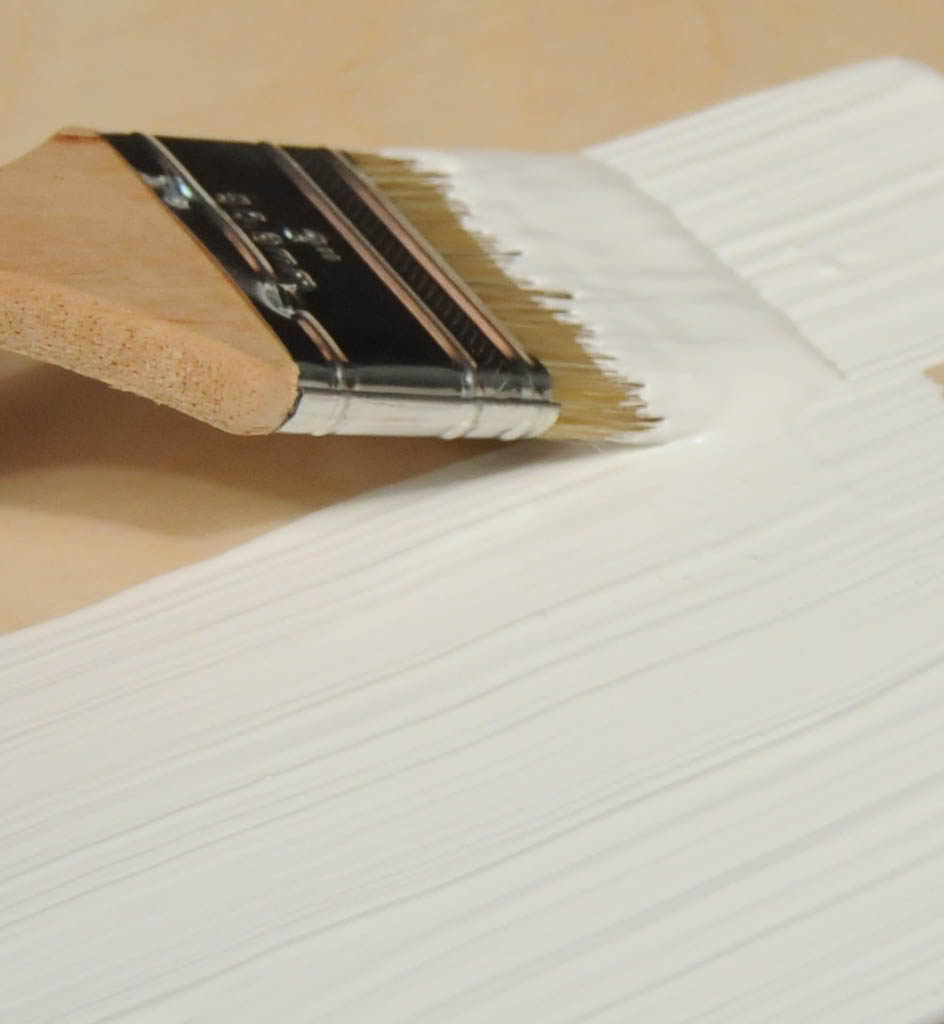
gesso-with-brush5
PREPARE CHALK GESSO Chalk gesso is a white priming that is applied to a rigid substrate (i.e. some sort of board) to make a smooth, hard yet absorbent surface for egg tempera painting. It can also be used under oil paintings. You will need: • Dry titanium white or zinc white pigment • Powdered chalk or Marble dust or Whiting (the filler) • Dry granulated rabbitskin glue • Distilled water (tap water will probably do, but it's better not to risk mineral contamination causing problems down the line) • A large, clean jar with a lid • A double boiler • A candy thermometer (optional) • Measuring cups and spoons • A sturdy stirring stick • A dust mask The basic ratio of chalk gesso is equal volumes of pigment, filler, and glue. First you make the glue, then you add it to the blended pigment and filler. This recipe makes about 1 1/2 cups, enough to gesso one larger (say 24"x36") panel. 1. Mix the rabbitskin glue: Sprinkle 1 1/2 tablespoons of dry glue granules into one cup of water. Stir briefly, then allow to soak overnight. 2. The next day, blend one cup of titanium or zinc pigment and one cup of filler in your large jar. Be sure to wear your dust mask. 3. Warm up the glue mix in the double boiler until it is quite hot and melted. Do not allow it to boil, or the glue will weaken. Folks at Realgesso have determined that about 127 degrees fahrenheit is the optimum temperature for hot rabbitskin glue; you can measure this with a candy thermometer, if you like. Stir it smooth; this should not take long. 4. Carefully pour the hot glue into the dry ingredients. Stir thoroughly but gently; you do not want to mix bubbles into the gesso. 5. Keep the gesso warm for use by setting the jar in a bath of hot, but not boiling, water. Never put a jar of cold gesso in hot water; put the cold jar in cold water and warm them up together.
Picture 1 of 1